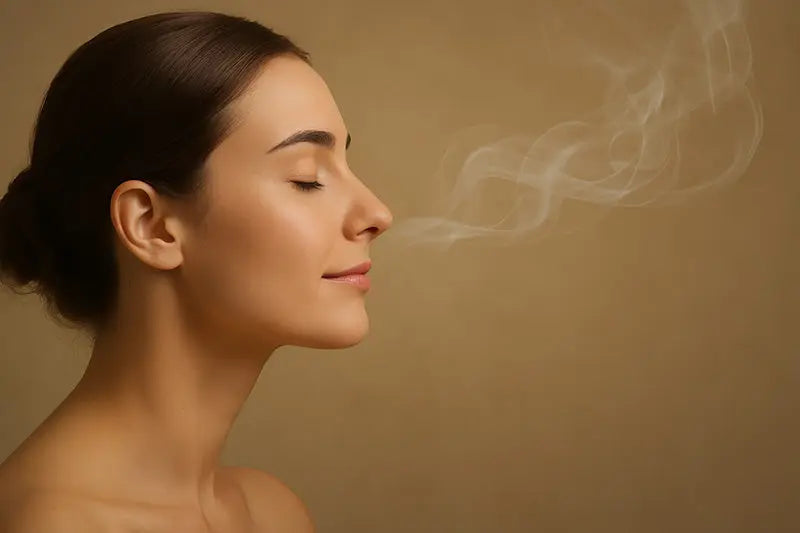
Geurcultuur in Europa met Claudia
Wat ruikt de wereld anders: geurcultuur in Europa
Ruim twintig jaar lang woonde ik in Spanje. Een land waar geur je overal tegemoetkomt – op straat, in huis, in winkels, zelfs in de lucht op warme zomeravonden. Sinds ik terug ben in Nederland, merk ik hoe anders geur hier beleefd wordt. Subtieler, frisser, functioneler.
Geur is voor mij altijd meer geweest dan een prettige geur. Het is een vorm van thuiskomen, van herinneren, van verbinding. In mijn werk als geuradviseur zie ik dagelijks hoe geur sfeer, emotie en zelfs vertrouwen oproept. Tijdens mijn geurreis door Europa ontdekte ik hoe cultuur en geur hand in hand gaan. Hier neem ik je mee langs vijf landen en hun unieke geurbeleving.
🇪🇸 Spanje – Warm, sensueel en gastvrij
In Spanje is geur bijna tastbaar. Ik herinner me hoe de straat 's ochtends rook naar versgebakken brood en café con leche, vermengd met citrusbloesem. En hoe je 's avonds in een winkelstraat liep en omringd werd door de geur van parfums, bloemen en warme stenen.
Spanjaarden houden van geur die spreekt: amber, musk, jasmijn, sandelhout. Niet subtiel, maar uitnodigend. Geur hoort bij persoonlijke verzorging én bij gastvrijheid. Als je ergens op bezoek komt, is geur net zo belangrijk als een kop koffie of een glimlach.
Ook winkels zetten geur bewust in. Een boetiek ruikt anders dan een apotheek. Geur is hier merkidentiteit, sfeer, emotie. Ik heb daar geleerd dat geur echt deel uitmaakt van hoe je iemand ontvangt — als een geurige handdruk.
🇳🇱 Nederland – Fris, functioneel en subtiel
Toen ik na al die jaren in Spanje weer in Nederland kwam wonen, viel me meteen op hoe nuchter we hier met geur omgaan. Frisheid staat voorop: citroen, katoen, eucalyptus. Geur wordt vaak gebruikt om iets onaangenaams te maskeren, of om aan te geven dat iets schoon is.
Wat ik ook merk: Nederlanders zijn best geurgevoelig, maar dan vooral in de zin van "niet te veel". Een geurkaars is prima, maar niet te sterk. Geurstokjes in de wc, ja — maar liever niet in de woonkamer.
Toch zie ik ook een positieve verandering. In salons, yogastudio’s en winkels wordt geur steeds vaker bewust gekozen. Mensen ontdekken dat geur meer kan zijn dan functioneel: het kan sfeer maken, klanten welkom laten voelen, rust geven. Precies dat probeer ik ook met GeurFris te laten zien.
🇬🇧 Engeland – Discreet, klassiek en huiselijk
Mijn bezoek aan Engeland voelde als een geurige knuffel. In een cottage in de Cotswolds rook ik lavendel, rozen en iets kruidigs — misschien bergamot? — die samen een sfeer van comfort en klasse gaven. Geur als sfeer, maar altijd met stijl.
Engelsen zijn meesters in het doseren van geur. Ze houden van klassieke, discrete combinaties: denk aan "English garden", theegeuren, houttonen. Parfum is elegant en persoonlijk, nooit te veel.
Wat ik prachtig vind: geur hoort bij het gevoel van thuis. Een geurkaars op een regenachtige middag, een subtiele spray op beddengoed, of lavendel in het badwater. Alles draait om comfort en een zekere kalmte – zonder te imponeren.
🇧🇪 België – Bourgondisch en bescheiden
In België ontdekte ik een geurbeleving die me raakt: rijk zonder opdringerig te zijn. In een stijlvolle winkel in Antwerpen rook ik zachte patchouli, warme vanille en een florale ondertoon — als een geurige knipoog naar Parijs, maar dan ingetogen.
Belgen houden van geur die past bij het moment. Een geurkaars bij een etentje, een elegante huisgeur in een boetiek, een warme noot in de hal van een kapsalon. Geur wordt beleefd als onderdeel van goede smaak, een extra laagje comfort.
Het is die Bourgondische elegantie die me opvalt. Niet overdreven, maar ook niet bang om geur te gebruiken. Geur mag aanwezig zijn, zolang het met finesse gebeurt.
🇩🇪 Duitsland – Zuiver, puur en gezondheidsgericht
In Duitsland merkte ik al snel: geur is hier bijna medisch. Niet in de negatieve zin, maar als iets dat bijdraagt aan welzijn. In een wellnesshotel in de Eifel werd ik omgeven door eucalyptus, den, munt en citroengras. Verhelderend. Verzorgend. In balans.
Duitsers hebben een sterke voorkeur voor natuurlijke, zuivere geuren. Alles wat chemisch ruikt wordt snel afgewezen. Etherische oliën zijn er heel gewoon – niet alleen in wellnesscentra, maar ook thuis. Geur is hier een vorm van zelfzorg.
Wat ik mooi vind, is dat geur altijd een functie lijkt te hebben: ontspanning, focus, bescherming. Het draait minder om sfeer en meer om werking. Daardoor voelt geur er heel bewust en zuiver aan – bijna als therapie.
Wat ik geleerd heb…
Geur is universeel, maar de manier waarop we het beleven is cultureel. In Spanje is geur een omhelzing. In Nederland een frisse handdruk. In Engeland een kop thee. In België een smaakvol accent. In Duitsland een moment van balans.
Voor mij is geur het mooiste onzichtbare communicatiemiddel dat er is. Als je weet hoe mensen geur beleven, kun je sfeer, vertrouwen en verbondenheid creëren — zonder één woord te zeggen.
Of je nu werkt in een Spaanse modezaak, een Duitse wellnesspraktijk of een Nederlandse wachtkamer: de juiste geur maakt het verschil. Daar help ik je graag bij.
Met Geurige Groet,
Claudia
Geuradviseur bij GeurFris